


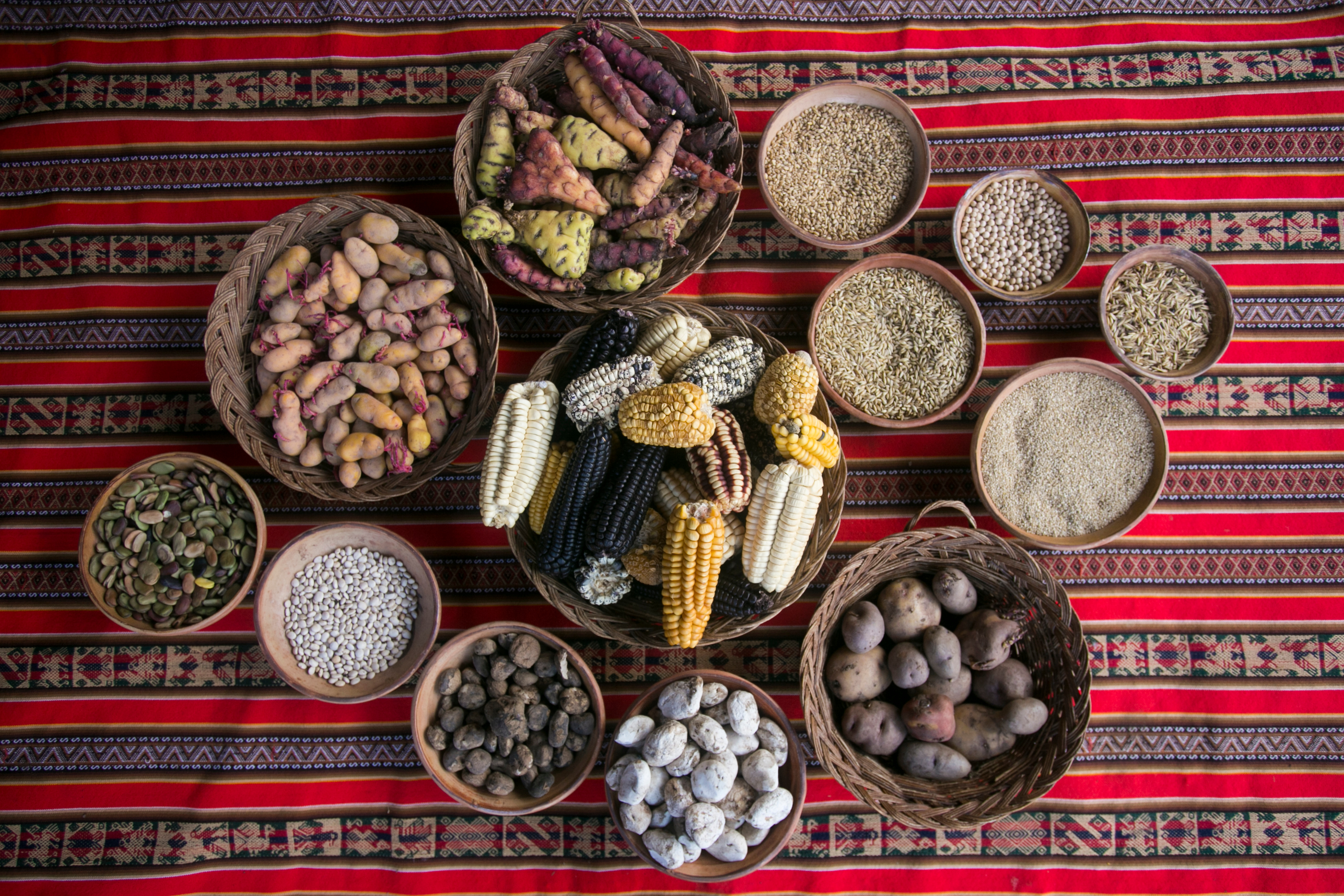
Traditional Foods
Sometimes referred to as “pre-contact” foods, traditional foods refer to place-based food and nutrition practices. Often nutrient-dense, these foodways include geographically specific plants and animals that support optimal health.
Health Benefits:
Health Condition:
Diabetes
Cardiovascular Disease
Method of Use:
Ceremony
Cultural Narrative
Traditional foods are often nutrient-dense and cultivated and/or harvested. They are often unique to geographic regions and include plants, herbs, fruits, vegetables, and meats that support optimum health. Examples include foods such as corn, beans, squash, wild rice, elderberry, salmon, and buffalo. Passed down from generation to generation, traditional cultivation, harvesting, cooking, and ceremonial practices preserve and sustain Tribal and land-based knowledge. Continuing to reclaim and pass down these traditions is a practice that a many families use to ensure this health and cultural knowledge lives on.
Several community members talked about food, cultivation, harvesting, and cooking methods as a source of pride for their communities. Some community members described the resurgence of Indigenous food, ingredients, and methods as tangible evidence of Indigenous food sovereignty.
Specifically, one community member described the hunting and processing of buffalo as a sacred tradition that encompasses grief, gratitude, abundance, and collective well-being. He described teaching youth how to offer a prayer of thanks to the buffalo for offering its life so that the community could continue to thrive. He also described teaching youth how to process every part of the buffalo so that no aspect of their lives goes to waste. He describes all parts as having value not only for nutrition and sustenance but also for ceremonial purposes and daily practical use.
Another community member spoke about the important role of corn, beans, and squash in traditional diets, noting their complementary nutrition when eaten together. She also described how they represent Indigenous ways of knowing and being as they work together to protect and fortify one another.
Another community member spoke about the power of food sovereignty, specifically highlighting how communities are learning how to garden and produce their own food and medicines as an act of Tribal and cultural sovereignty.
This information has not been evaluated by the FDA. This information is not intended to diagnose, treat, cure, or prevent any disease. This information should not be considered medical advice. Please consult your clinician before using any remedy. This is especially important if you are pregnant, nursing, or have any medical conditions.