


Sweat Lodge
Sweat lodge is a ceremonial tradition used for prayer, purification, and celebration. While specific practices vary between Tribal communities, sweat lodge ceremonies are common in Indigenous healing traditions across the globe. Sweat ceremonies have been described as cleansing practices offering rebirth, renewal, and healing.
Health Benefits:
Community Wellness
Mindfulness/Contemplative Practices
Mental Health
Stress reduction
Health Condition:
Anxiety
Depression
Method of Use:
Ceremony
Alternative Names:
Inipi (Lakota) | Temalitzli (Nahuatl)
Cultural Narrative
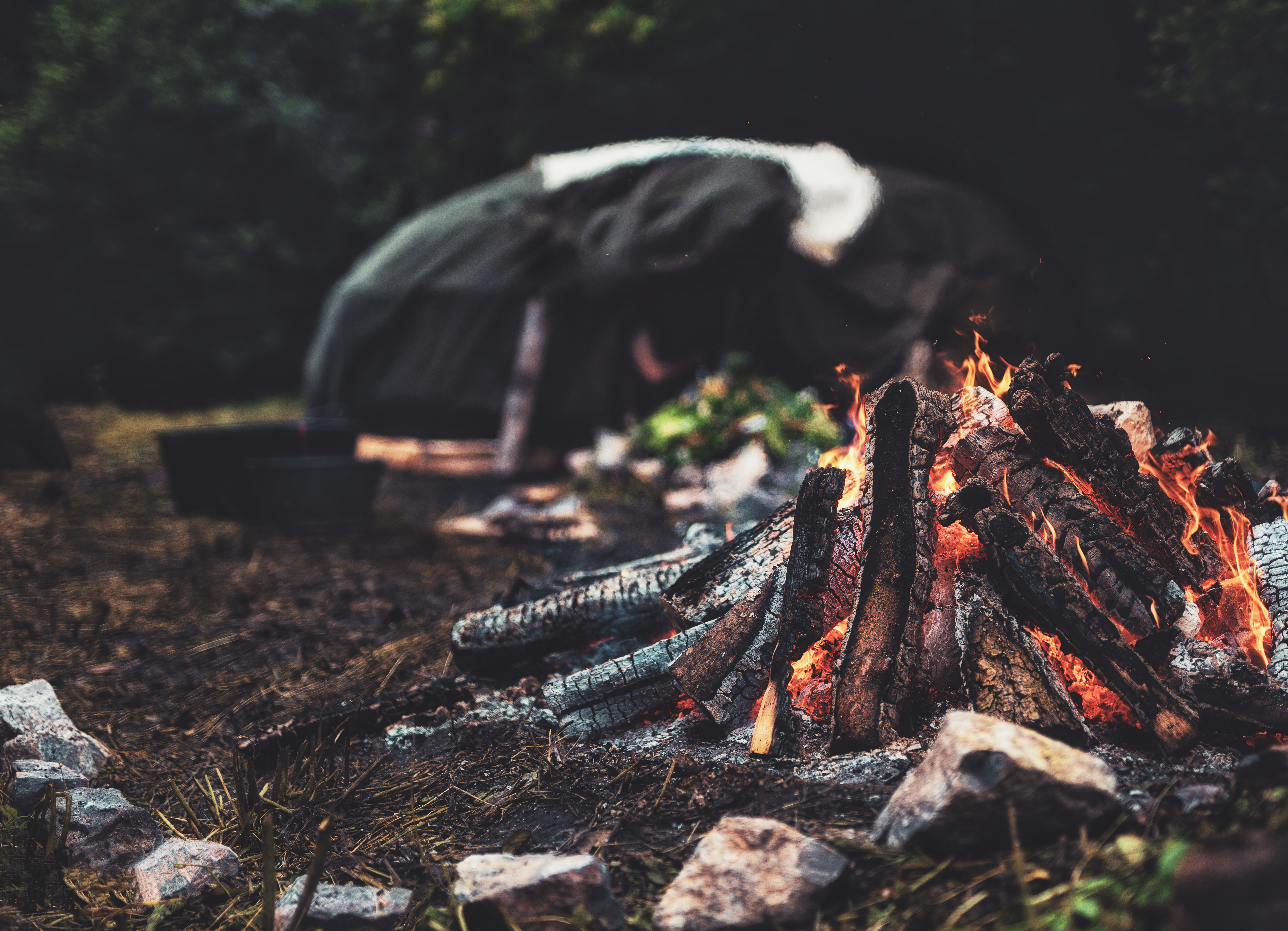
As an important healing practice in many Indigenous communities, sweat lodges are used to maintain physical, spiritual, emotional, and mental wellness. They can also be used as interventions for physical, social, and mental health imbalances. There are different types of sweat lodge ceremonies that people participate in for various reasons. Participating in sweat lodge ceremonies can invite transformational healing experiences for participants. The process has many important components and roles that vary by tradition, but it typically involves a ceremonial structure, hot stones, and water blessed by the person who pours it or leads the ceremony. Plant medicines are also often used and placed on hot stones. It is usually a place where communities gather to share prayers and songs.
One community member and elder describes it as a community-based mental health intervention. He describes it as “ a space to reconnect and to belong to a community, to reconnect with our ancestral past, and to find the healing we need for ourselves.”
Another community member describes temazcal as a meaningful way to reconnect, relearn, and decolonize from Western traditions through being in prayer with community.
Another community member describes the ways that the sweat lodge has helped her connect with the elements and to learn the roles that they play in the ceremony, including the fire, stones, and plant medicines.
This information has not been evaluated by the FDA. This information is not intended to diagnose, treat, cure, or prevent any disease. This information should not be considered medical advice. Please consult your clinician before using any remedy. This is especially important if you are pregnant, nursing, or have any medical conditions.
References
Rybak, C., & Decker-Fitts, A. (2009). Understanding Native American healing practices. Counselling Psychology Quarterly, 22(3), 333–342. https://doi-org.du.idm.oclc.org/10.1080/09515070903270900
Portman, T. A. A., & Garrett, M. T. (2006). Native American Healing Traditions. International Journal of Disability, Development and Education, 53(4), 453–469. https://doi-org.du.idm.oclc.org/10.1080/10349120601008647